
Coming soon…
Systems of representation decide who is seen, who is heard, and ultimately, who is helped. Charities and NGOs sit at the centre of these systems, shaping how communities are represented and, in turn, influencing public perception, funding, trust, and policy. Yet much of the sector still relies on established storytelling models that tend to speak about communities rather than with them.
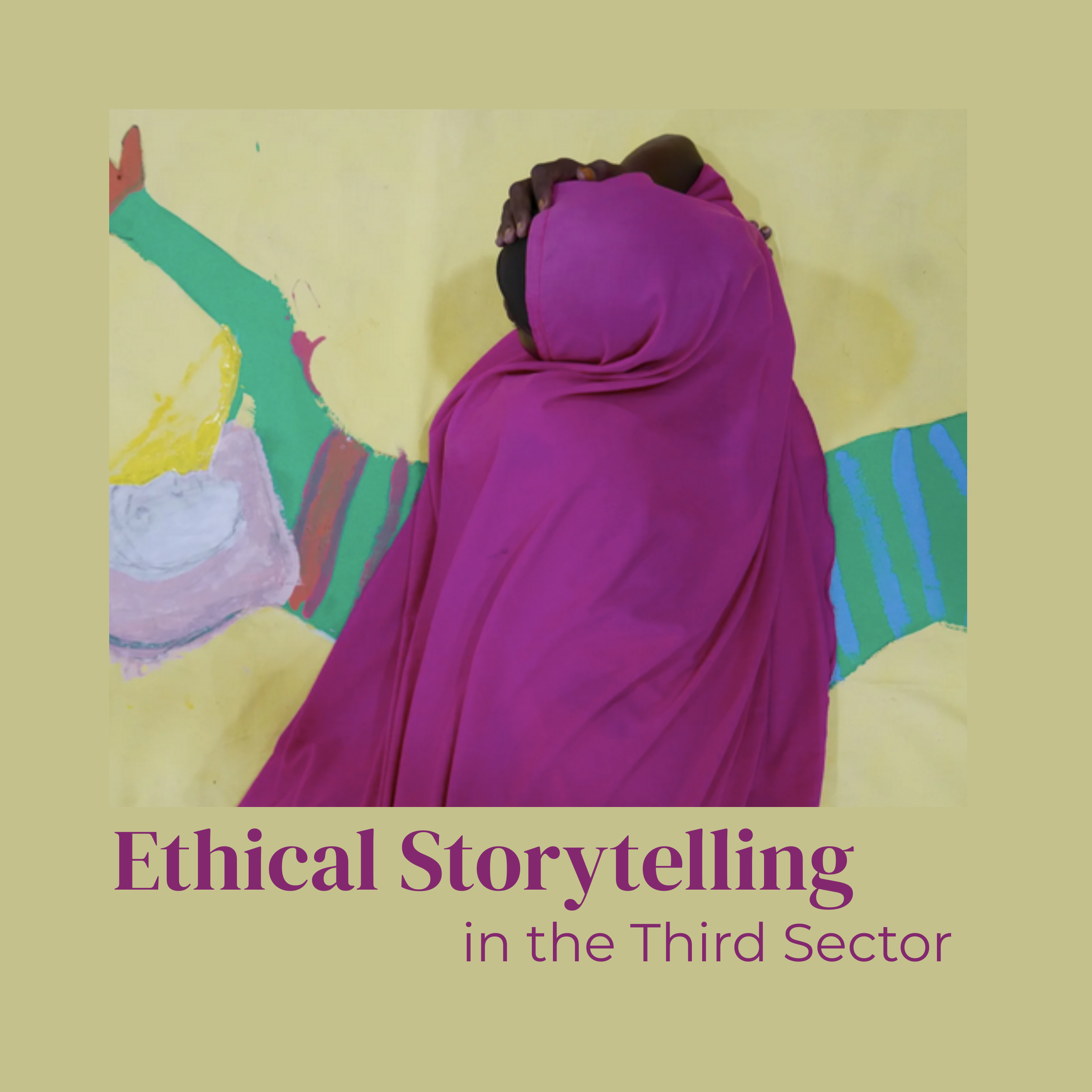
This three-part podcast series examines a sector in transition — as NGOs begin to rewrite systems of representation in real time, moving away from extractive storytelling towards more ethical, collaborative practices grounded in dignity, accountability, and shared ownership.
Through conversations with organisations and leaders at the forefront of change, Dr Abi Weaver explores what ethical storytelling looks like and what it takes to embed new approaches to representing vulnerable communities across communications, campaigns, and fundraising. The series looks at how organisations are:
Rethinking internal communications and marketing systems
Building participatory storytelling and co-creation into practice
Navigating power, ownership, and control with local communities
Balancing fundraising pressures with dignity and long-term trust
Designed for communications teams, charity leaders, researchers, and decisionmakers, this series brings together organisations leading sector-wide change — and the lessons emerging from communities and practitioners working alongside them.
About Dr Abi Weaver: Dr Abi Weaver is a founder, advisor, author, and BAFTA-winning producer. Her work spans more than 15 years across refugee camps, post-conflict environments, NGOs, universities, and major UK broadcasters. She holds a PhD (University of Surrey) focused on the ethics of interviewing, alongside extensive international development experience across Lebanon, Kenya, Sri Lanka, and Uganda. She works across humanitarian and commercial media systems, and her focus is on helping organisations move beyond outdated storytelling models — and build frameworks of representation that are ethical, sustainable, and grounded in the dignity of the communities they work with.