
Research AreasMy research explores the relationships between voice, embodiment, trauma, and ethical storytelling. Working across documentary studies and practice, philosophy, trauma, peace-building and media representation, I investigate how people communicate experiences that cannot always be expressed through language alone. Much of my work examines the voice as an embodied, relational phenomenon—one that carries emotion, memory, identity, and social experience beyond language. This research has developed through global collaborations with displaced communities, practitioners, performers, and researchers, connecting theoretical inquiry with practice-based and qualitative research. My research areas include:
Voice, Interview & Documentary
My PhD research at the University of Surrey developed the concept of the Non-Linguistic Voice, exploring how gesture, silence, breath, rhythm, and bodily expression shape the outcomes of documentary interviews. This work combines philosophy, documentary practice, and media studies to rethink how voice functions beyond speech. This research has produced publications on Futurist words-in-freedom and short films that explores animals, philosophy and grieving as well as related publications including my upcoming chapter in The Oxford Handbook of Media Vocality.
Trauma, Dialogue & Healing
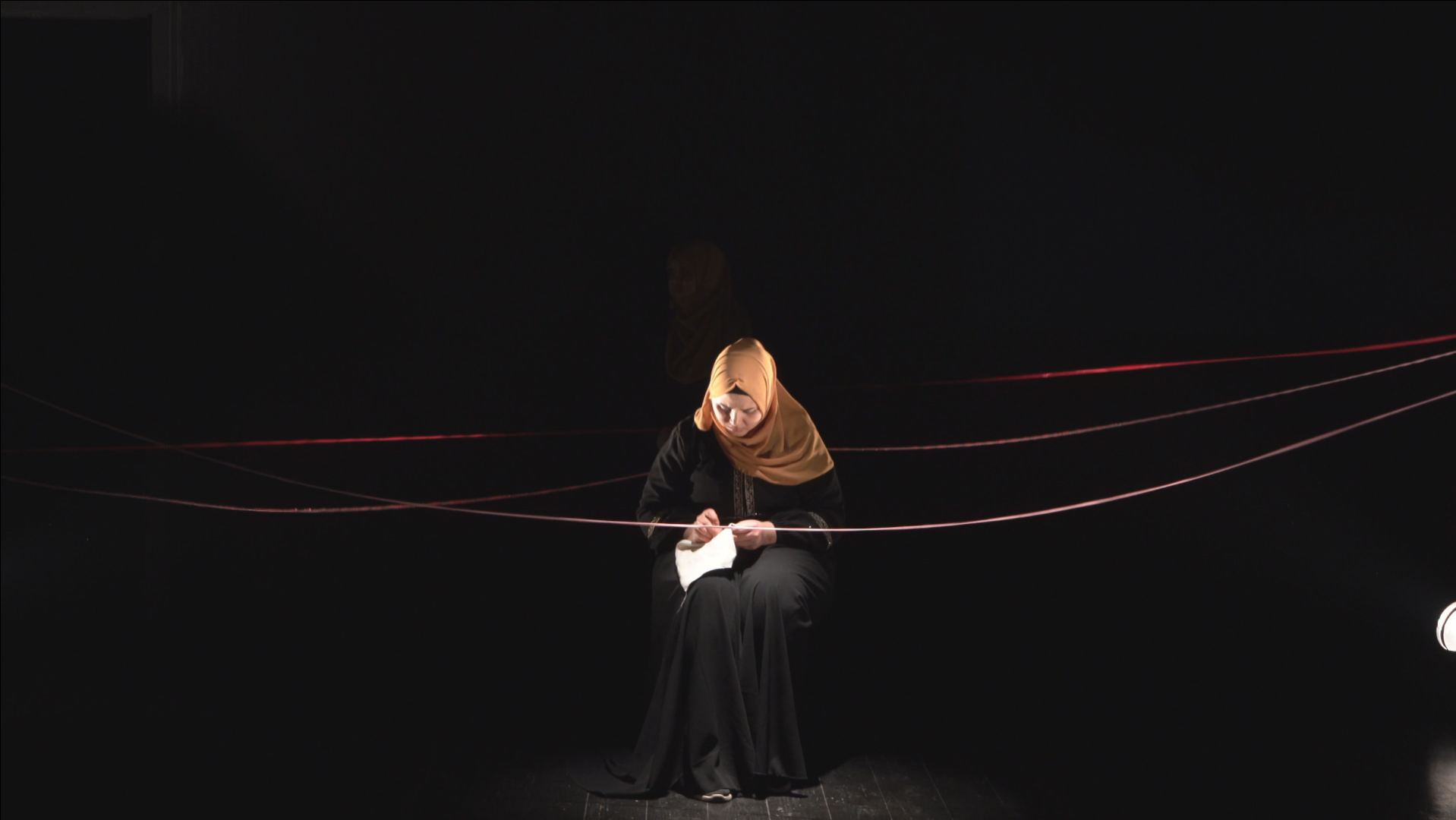
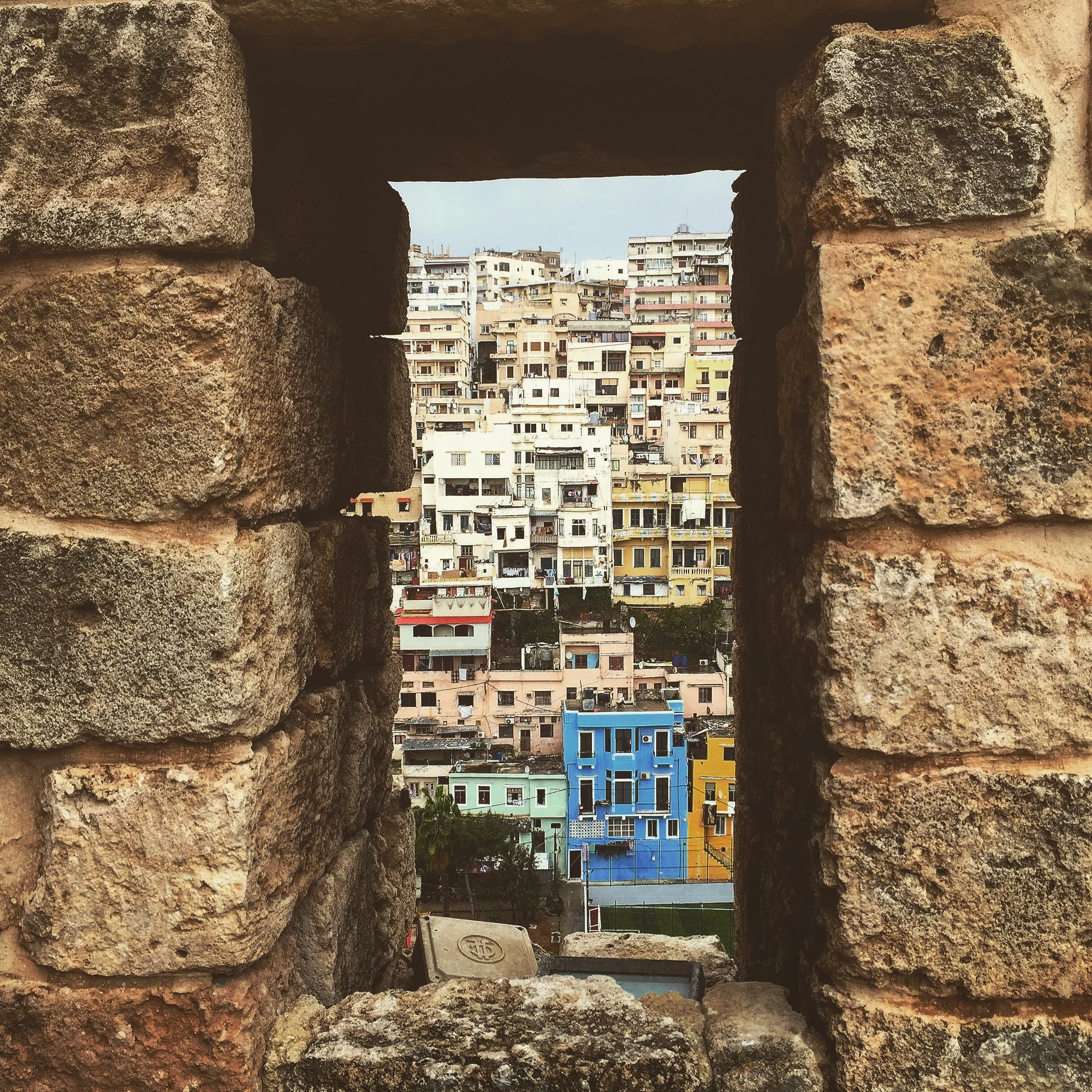
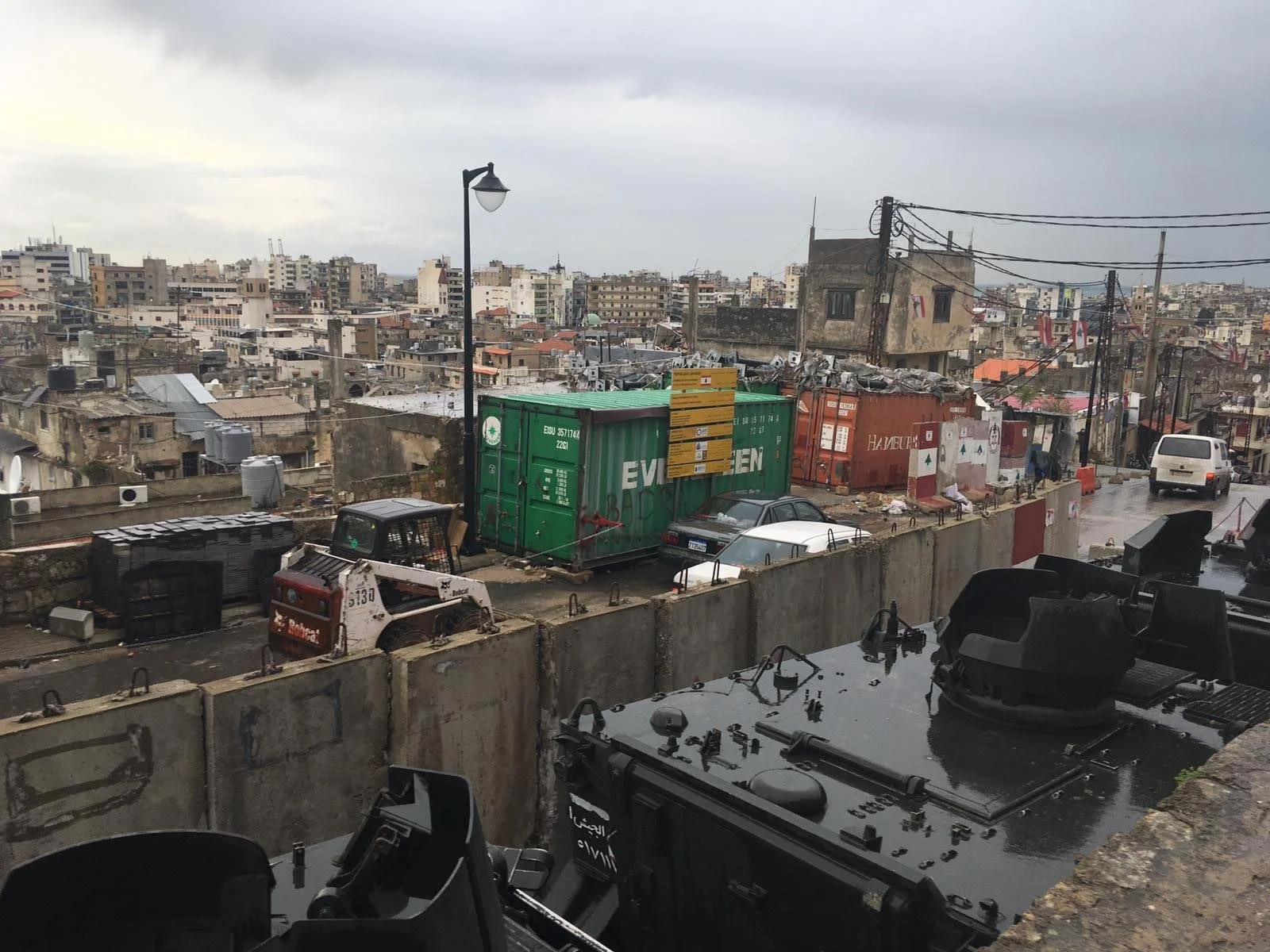
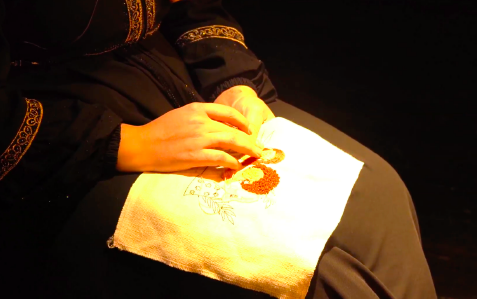
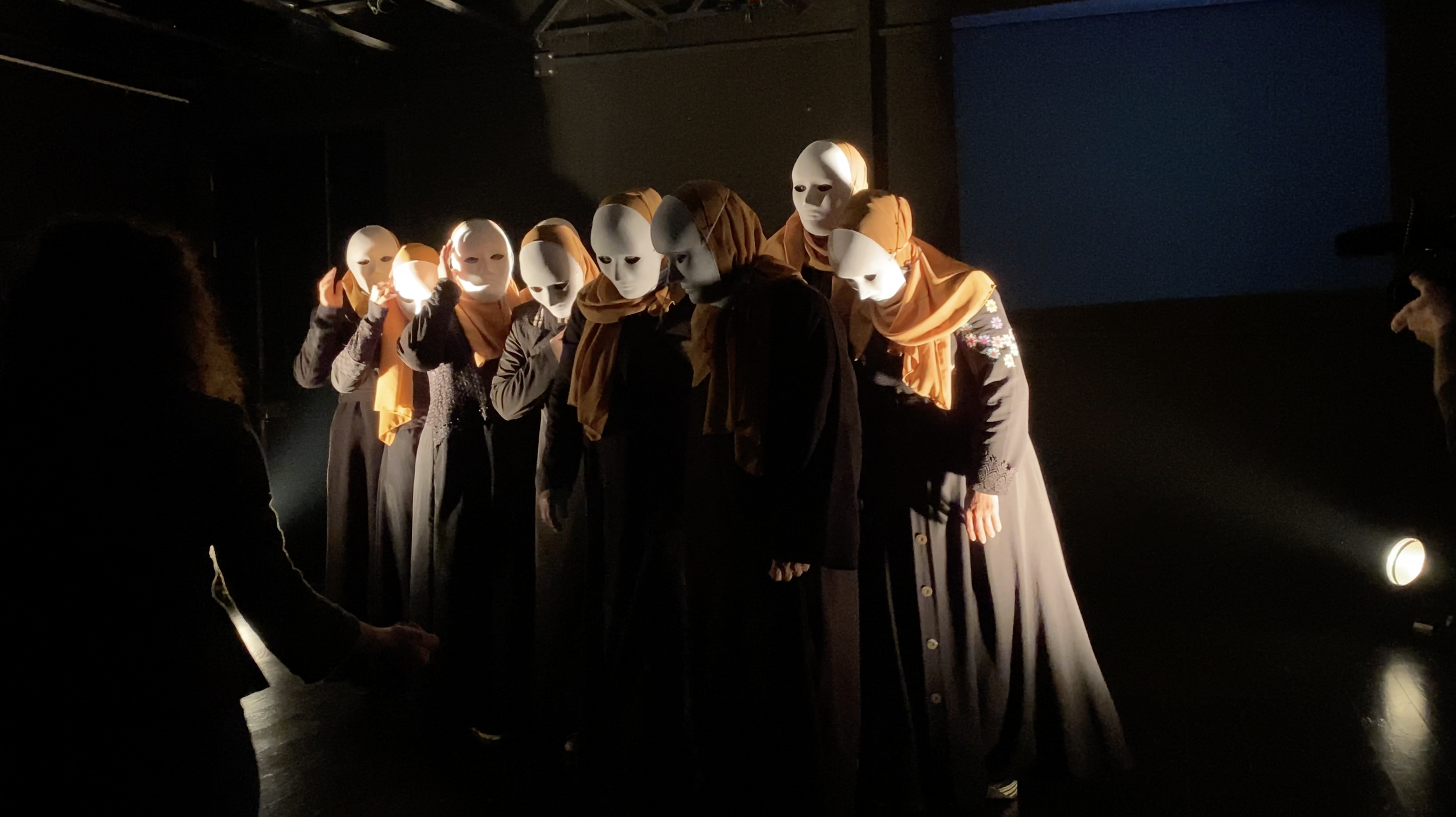
My research explores trauma-informed approaches that create spaces for expression, recovery, and healing. Projects have included research with former fighters in Lebanon, as well as drama therapy training with displaced mothers living in the camps in Lebanon. I edited and contributed to the writing of Strangers, published by Broken Sleep Books, with the chapter titled ‘Invisible Mothers: Maternal Agency in Displacement.’
Ethics, Storytelling & Digital Tools
This work is shaped by 15 years experience working across film, television and academic research with grassroots experience working with at-risk and vulnerable communities in post-conflict contexts. My focus is on how media representation does harm and how outdated modes of extractive storytelling can evolve into more collaborative approaches to media representation centreing on lived-experience and participant-led forms of representation. I have worked as a filmmaker consultant on international research projects and for two years developed research with UK-based INGOs on digital tools that would make storytelling practices more inclusive to all stakeholders in the content creation process. More information on this can be found here.
Yoga, Well-being & Psychoanalysis
I have a background in district, county and national-level sport, including over twenty years of personal yoga practice, and formal teacher training in both Hatha and Vinyasa Yoga. These experiences have informed an ongoing interest in how yoga practices cultivate self-awareness, emotional regulation, resilience, and well-being. I am currently training in Muay Thai, where I am beginning to explore how fighters can benefit from yoga practice that compliments their training aimed at improving flexibility, mobility, balance and recovery. I am in the early stages of developing a structured yoga methodology specifically designed for combat sports. Drawing from traditional yoga practices, mobility training, breath-work I am creating a fixed sequence of postures that supports the physical and psychological demands of fighters.