Ethics & Storytelling

Architectures of representation shape
who is seen,
who is heard,
and who is helped.
They must be radically transformed, re-built with care
and governed with accountability.
The systems that decide whose experiences become visible, and whose voices are considered legitimate are not neutral. Representation shapes how people, communities, and crises are understood. It influences public perception, funding priorities, and policy decisions. Across humanitarian contexts, media, and research, storytelling systems can either reinforce existing power structures and cause harm, or create opportunities for greater agency, dignity, and participation for the communities they work with.
My work has historically focused on grassroots peace-building in conflict and post-conflict contexts, using arts-based methodologies that centre participant-led and co-designed projects and dialogue. From all-women drama therapy and healing spaces in Beirut, to exploring trauma, identity, and PTSD with ex-combatants, my practice over the last 15 years has examined how creative and media practices can be transformed to produce more inclusive, nuanced, and equitable forms of representation.
Areas of Expertise
Conflict and post-conflict societies, particularly Lebanon
Displacement, and motherhood
Trauma, reconciliation, and dialogue across opposing narratives
Ethics of interviews
Ethics, voice, and power within documentary and research practices
Participatory storytelling and community-led approaches
Digital innovation and tools
Current Projects:

PODCAST: Ethical Storytelling in the Third Sector
Exploring ethics and storytelling - how things are changing, what stops progress and how changes in media practices effects communities. First episodes with Frances Leach (Action Aid) and Jess Crombie (Activist Scholar).
Digital Tools for Storytelling
Over 2 years of research developing a content management system that aims to improve communications and dialogue between stakeholders in the process of storytelling.
Past projects (consultant):
Connects artists and researchers from ODA recipient countries across Africa, the Middle East and South Asia working with peacebuilding practices rooted in the arts. Various outputs including edited book, Strangers: Women-Led Theatre, Motherhood, and Dissent.
Explores informal, often unrecognised, memory practices are often used to deal with the legacy of violent. Arts-based, grassroots community-led practices in peacebuilding.
Investigated how embodied practice of performance can help dismantle hierarchies of species and foster more ethical, egalitarian relationships with animals. Various outputs including short experimental film: Done Dying.
Explored electricity shortages in Beirut and traced infrastructural damage back to the Lebanese Civil War. This project created award-winning feature documentary About a War, which interviewed ex-combatants from diverse sects and political groups in Lebanon. The film was screened globally and also to fighters who were returning from Syria.
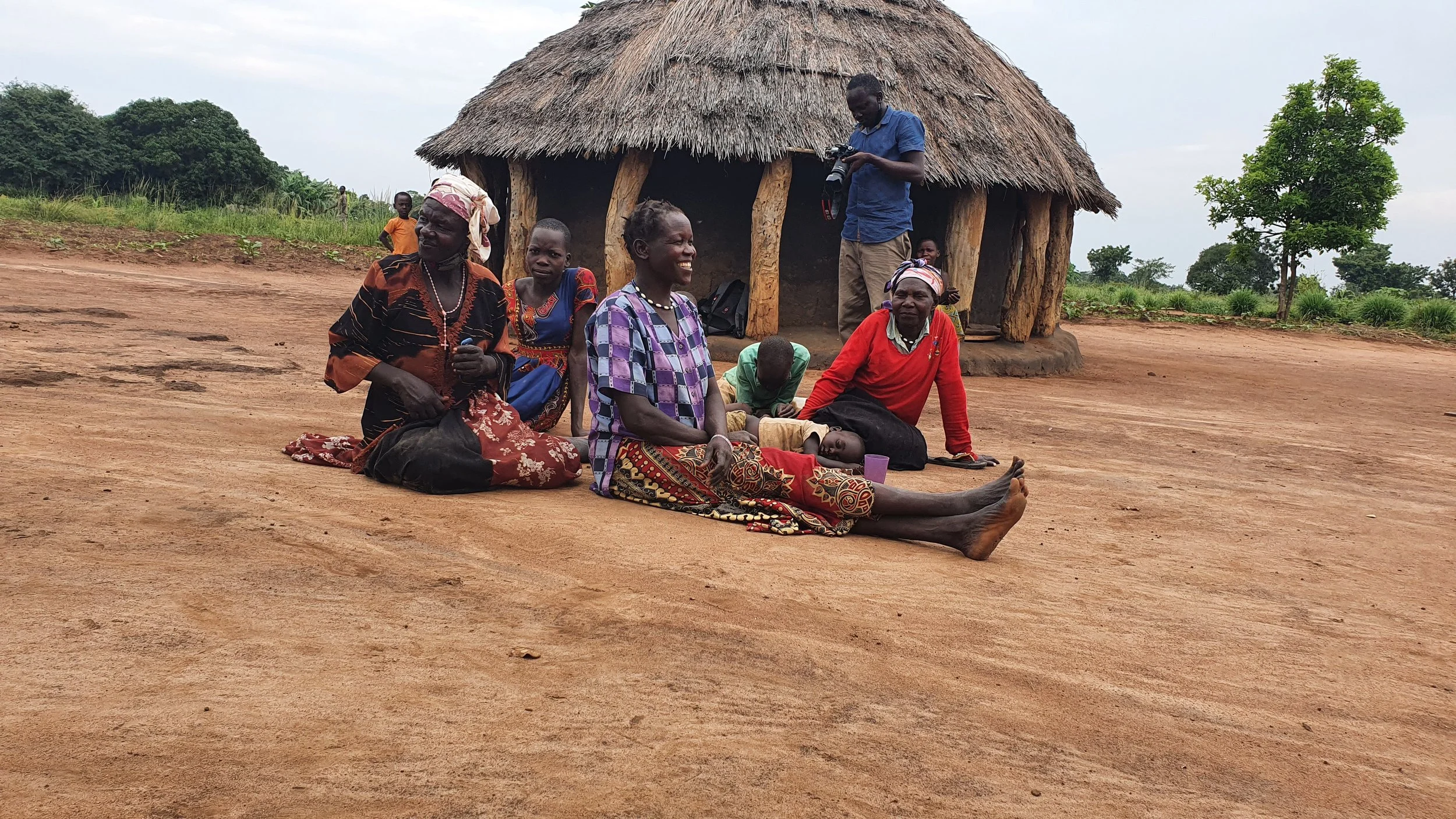
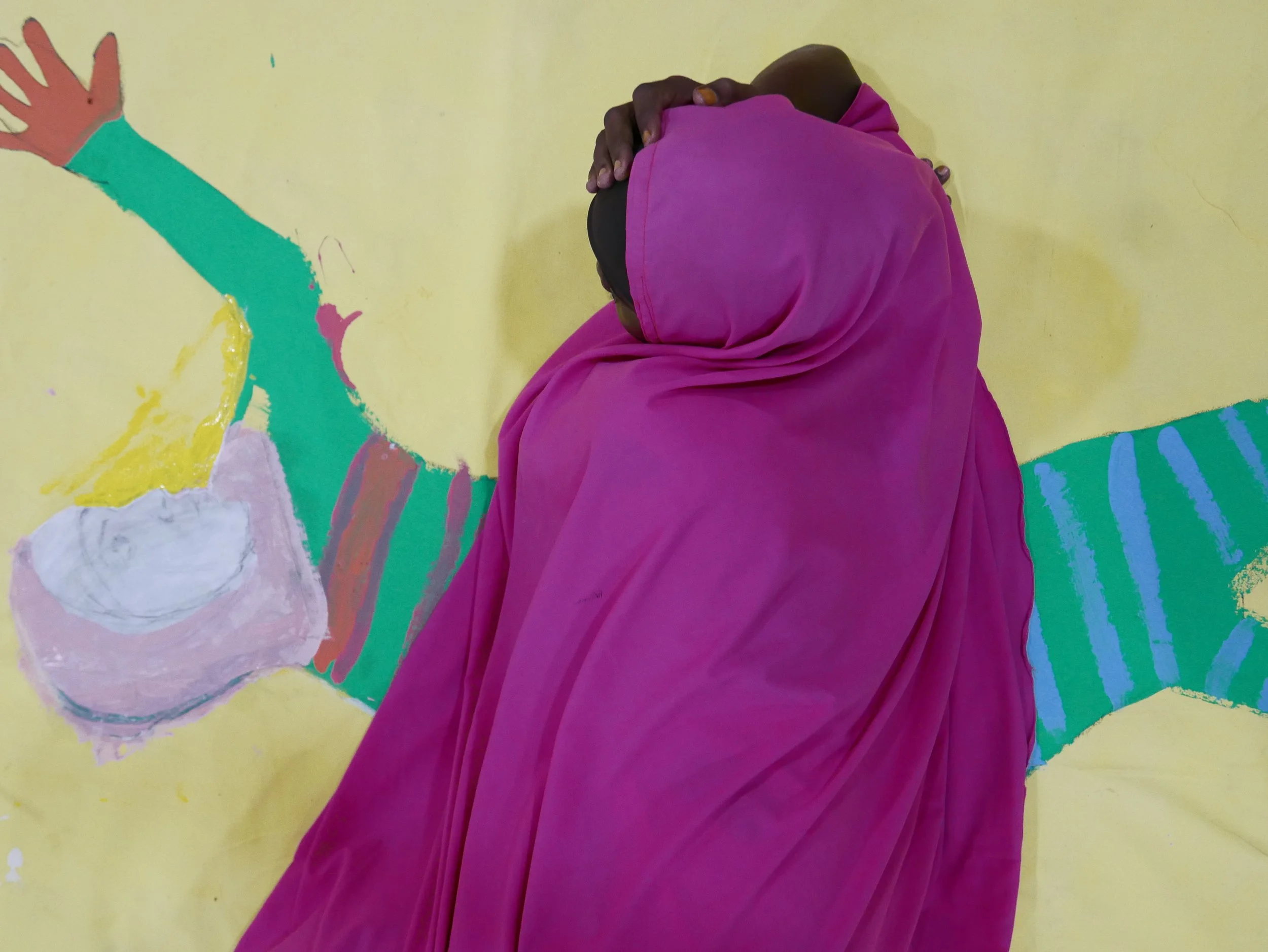
Photos at the top are courtesy of Xavier Verhoest taken during a body mapping workshop in Somalia and Steven Oola recording songs of war in Uganda as part of Performing Violence Engendering Peace project supported by UKRI.