
Workshop:
Introduction to Ethical Storytelling.

Introduction to Ethical Storytelling (3-hour online workshop)
If you are beginning to rethink how your organisation represents vulnerable communities, this session offers a practical introduction to ethical storytelling and how it can be embedded in real-world communications practice. This session is designed to give clarity, language, and direction for organisations at the start of this journey, and to help identify where deeper change work may be needed.
In this workshop, we explore:
What ethical storytelling means in practice—not just principle
How organisations are currently navigating representation and change
Common risks, tensions, and unintended harms in storytelling approaches
Participatory approaches to content creation and community engagement
How to begin building internal alignment and working groups for change
How ethical storytelling connects to broader systems change within organisations
What are the key challenges in driving systems change in communications and marketing when working with vulnerable communities?
Balancing power and participation
Ensuring that communities are not just represented, but meaningfully involved in how their stories are shaped and shared. Avoiding “saviour complex” in the way communities are represented.Navigating funding and performance pressures
Aligning ethical communication practices with the demands of fundraising, visibility, and organisational targets.Avoiding oversimplification of complex lives
Communicating impact without flattening lived experience into reductive or stereotyped narratives.Building ethical and meaningful consent practices
Working in contexts where power imbalances can affect how consent is understood, given, and maintained over time.Shifting entrenched institutional systems
Supporting change within organisations where established workflows, risk frameworks, and habits can resist new approaches.Measuring value beyond metrics
Developing ways to recognise trust, dignity, and harm reduction alongside traditional performance indicators.
How do we build more ethical, effective, and systems-aware approaches to communication that centre participation, local knowledge, and community leadership?
A practical framework for systems change in communications.
1. Participation with real influence: Moving beyond consultation toward shared decision-making, where communities are meaningfully involved in shaping narratives, priorities, and outputs—not just featured within them.
2. Community control and ownership: Strengthening the ability of communities to influence how they are represented, including greater control over stories, data, imagery, and long-term use of content.
3. Systems thinking and repeatable practice: Designing communication approaches that are not one-off ethical interventions, but embedded, repeatable systems that can be consistently applied across teams, projects, and contexts.
4. Context-driven, locally led approaches: Grounding communication strategies in local realities, ensuring that approaches are shaped by cultural, political, and social context rather than external assumptions.
5. Working with local leaders and grassroots networks: Building trusted relationships with community leaders, grassroots organisations, and existing networks that already hold knowledge, legitimacy, and access.
6. Collaboration with local creatives and practitioners: Actively working with local artists, filmmakers, writers, and communicators to ensure storytelling is created with communities, not about them.
7. Strengthening communication loops with communities: Developing ongoing, two-way communication systems that allow organisations to listen, learn, and adapt continuously—not just extract stories.
Taking steps towards change
Every organisation is navigating this work from a different place, with its own context, pressures, and possibilities for change. Progress depends on meeting those realities with care and collaboration.
This workshop supports you in identifying practical next steps towards more ethical communication and marketing when working with vulnerable communities.
Ethical Storytelling and Change - White Paper.
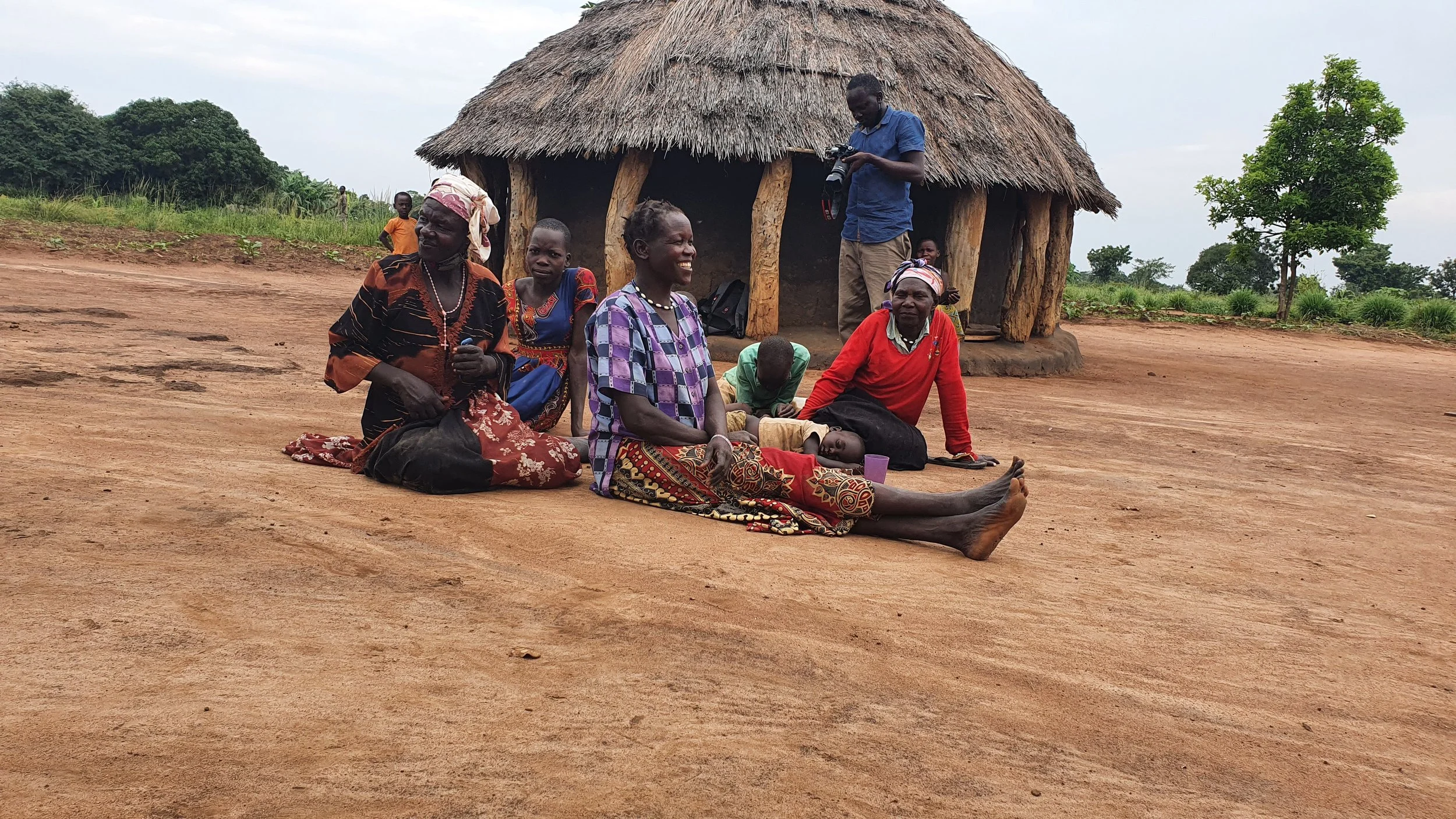
Photos above courtesy of Xavier Verhoest taken during a body mapping workshop in Somalia and Steven Oola recording songs of war in Uganda as part of Performing Violence Engendering Peace supported by UKRI.
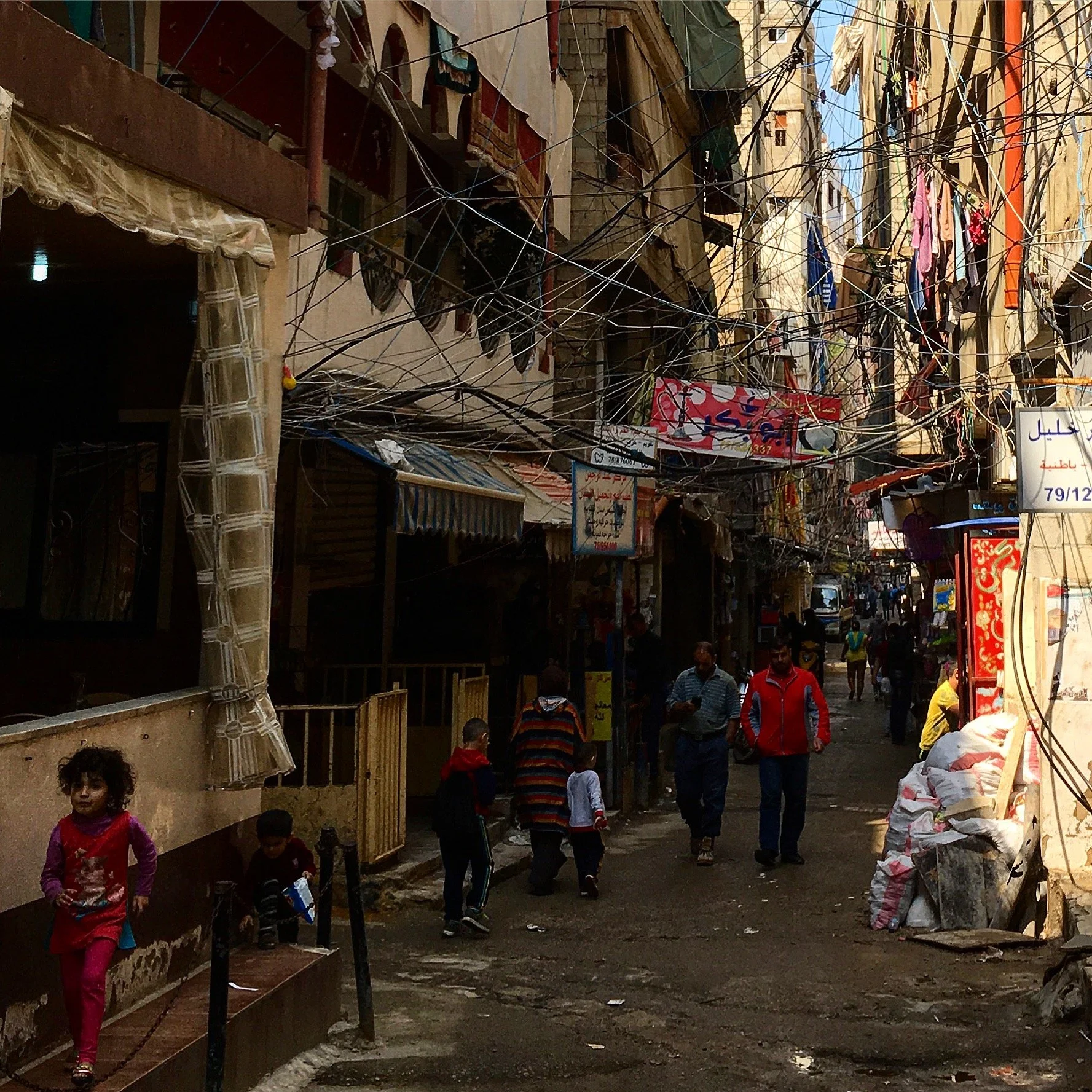
Photo above is my own taken inside Shatila Refugee Camp, Beirut as part of the project Following the Wires funded by the AHRC, which led to the documentary feature film “About a War” (2019). .