
Narrative Accountability

Narrative power is increasingly scaled across media, NGO, humanitarian, and institutional systems. Yet there remains a gap in accountability structures that support communities in relation to how they are represented.
Existing legal frameworks regulate false statements, privacy breaches, and discriminatory content, but do not directly address systemic narrative harm or structural patterns of representation across institutions.
What is the problem?
Communities are often represented in public stories by organisations such as:
NGOs
media organisations
charities
humanitarian agencies
documentary and advocacy campaigns
These organisations play an important role — but communities themselves often have limited ability to:
give independent feedback
raise concerns safely
challenge how they are represented
set standards for how their stories are told
give or withdraw meaningful consent
seek external accountability when harm occurs
In many cases, organisations are also responsible for reviewing their own work. Feedback systems sit inside the same institutions that are producing the narratives.
This can create a conflict of interest, especially when communities depend on those organisations for support or funding.
What is the gap?
At the moment, there is no independent system designed specifically to:
document harm caused by representation or storytelling
identify repeated patterns across different organisations
support communities to raise concerns safely and independently
escalate issues beyond the organisations involved
connect storytelling-related harms to legal, regulatory, or human rights systems
In short:
There is no shared civic infrastructure for accountability in how communities are represented.
What is the solution?
Narrative Accountability
Narrative Accountability is an independent civic system designed to support fairness and accountability in how communities are represented.
It aims to:
collect testimony from communities
document concerns about representation or storytelling
identify patterns across organisations and sectors
strengthen consent and representation practices
create independent pathways for accountability
connect communities to legal and regulatory support when needed
How the system works
1. Community testimony & reporting
Purpose:
Provide a safe way for people to share concerns.
What it does:
confidential reporting of experiences
anonymous complaint options where needed
multilingual and accessible formats
local support and facilitators
Key idea:
People should not have to report concerns back to the same organisation they are concerned about.
2. Review & documentation
Purpose:
Understand and record what happened in a structured way.
What it does:
review community testimonies
assess consent and representation issues
document cases consistently
protect identities and sensitive information
Outputs:
case summaries
evidence reports
institutional feedback reports
3. Pattern analysis
Purpose:
Identify whether issues are isolated or part of a wider pattern.
What it does:
compare cases across organisations
identify repeated issues
track trends in representation practices
highlight systemic risks
Examples of patterns:
repeated use of distressing imagery without consent
lack of community voice in storytelling
extractive or one-sided narratives
Outputs:
public reports
sector insights
risk and ethics indicators
4. Accountability & resolution
Purpose:
Support repair, dialogue, and change.
What it does:
facilitate conversations between communities and organisations
make recommendations for change
support restorative or reconciliation processes
encourage improved standards
Possible outcomes:
public acknowledgements
changes in practice
independent reviews or audits
improved consent processes
5. Legal & regulatory pathways
Purpose:
Link cases to existing legal and regulatory systems where appropriate.
This may include:
data protection law (GDPR)
privacy law
defamation law
discrimination law
media regulation
human rights frameworks
Indigenous rights frameworks
Possible routes:
data protection complaints (e.g. ICO)
media complaints (e.g. Ofcom / IPSO)
legal referrals
human rights submissions
strategic litigation
Who is involved?
Communities
Indigenous communities
marginalised or vulnerable groups
people featured in aid, media, or advocacy stories
individuals represented in public narratives
Institutions
NGOs
charities
media organisations
humanitarian agencies
advocacy campaigns
Accountability actors
human rights lawyers
data protection specialists
media regulators
Indigenous governance experts
civic infrastructure organisations
Civic infrastructure layer
An independent system that sits between communities and institutions, helping ensure accountability, fairness, and transparency in representation.
Core principles of Community accountability
Communities help define:
what harm looks like
what consent means
what fair representation looks like
when escalation is needed
Independence
The system operates outside the organisations being reviewed.
Transparency
Methods and processes are open and explainable.
Cultural sovereignty
Communities retain authority over how they are represented.
Safeguarding
Strong protections against retaliation, harm, or dependency pressures.
Long-term vision
Narrative Accountability aims to become a recognised civic function, similar to:
data protection systems
ombudsman services
human rights documentation systems
A future where:
communities have real influence over how they are represented
narrative harm can be independently assessed
organisations are accountable beyond internal reviews
storytelling becomes more ethical, transparent, and participatory
Core idea
Narrative Accountability is not:
censorship
public relations
or internal ethics review
It is:
independent oversight
community-centred accountability
representation governance
a civic system for ethical storytelling
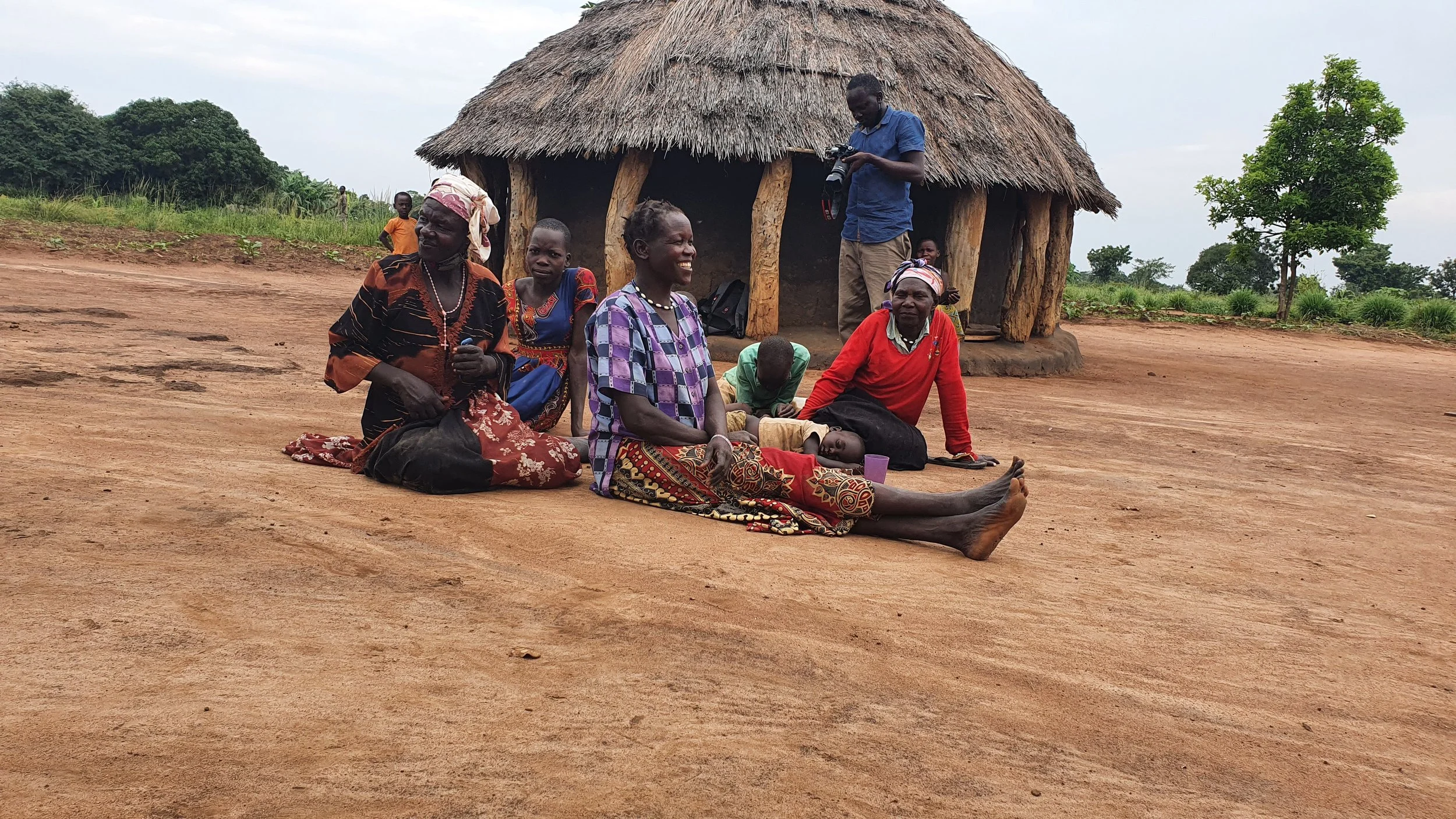
Photos at the top are courtesy of Xavier Verhoest taken during a body mapping workshop in Somalia and Steven Oola recording songs of war in Uganda as part of Performing Violence Engendering Peace project supported by UKRI.