About
My work centres on voice: how it emerges through relationships and encounters, how it is shaped by power, and how it can be heard, represented or silenced. Across more than 15 years working in refugee and post-conflict contexts, documentary filmmaking, international arts and community projects, and research consultancy, I have developed a practice that brings together storytelling, ethics, social impact and embodied experience. Drawing on over 20 years of research and practice, my developing Theory of Voice explores voice as relational, embodied and co-produced, with implications for how we understand ourselves, communication, agency, representation and the ethics of listening.
As an academic researcher, author and film director, I explore how voice is affected and produced within specific contexts and encounters, and how the relationships between those who speak, listen, interview and represent are shaped by control and power. My research and creative practice span academic publications, books and chapters, programming for UK broadcasters, and award-winning independent documentary films. Across these forms, I am interested not only in what people say, but in the conditions through which voices emerge, acquire meaning and are heard.
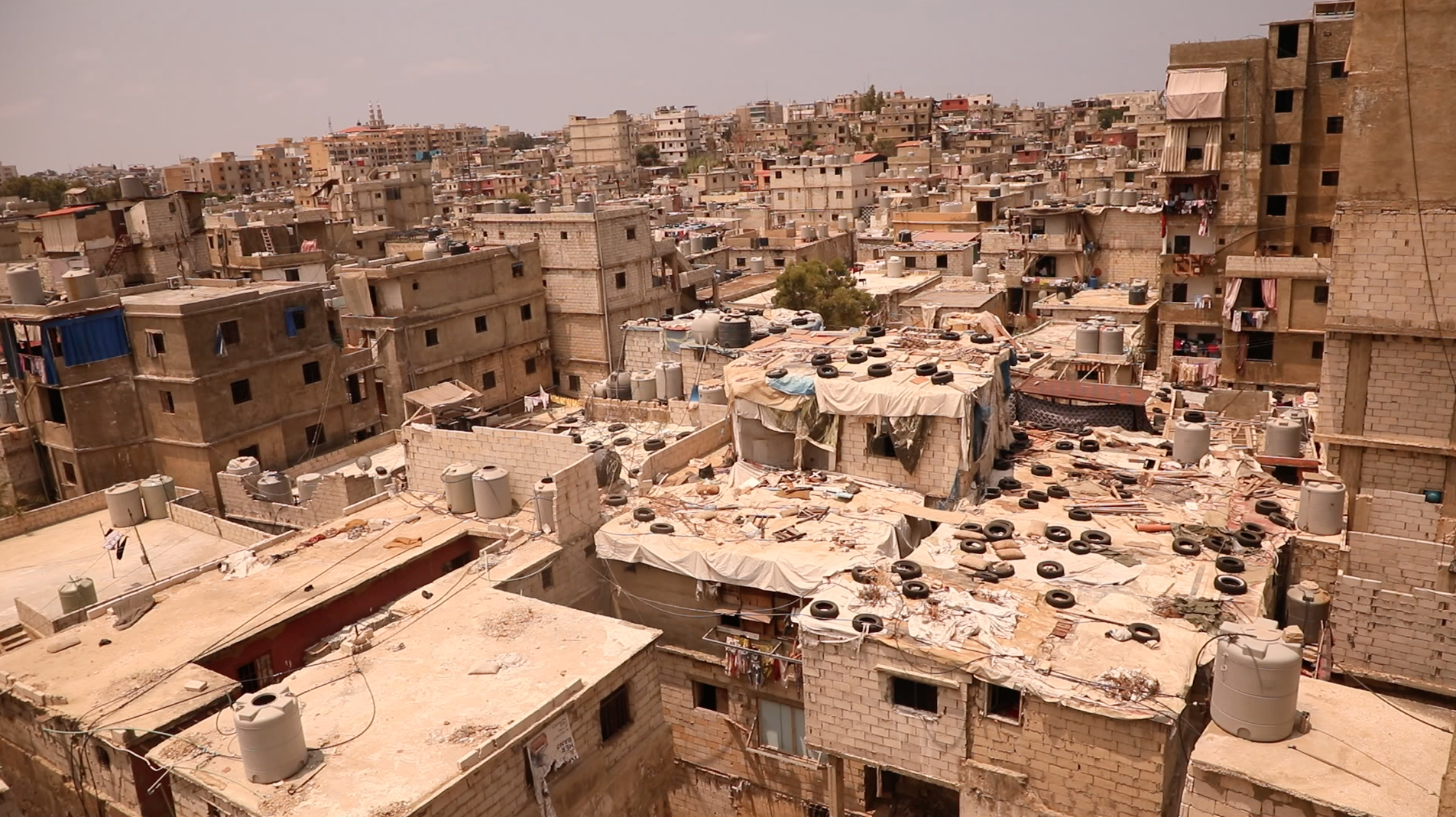
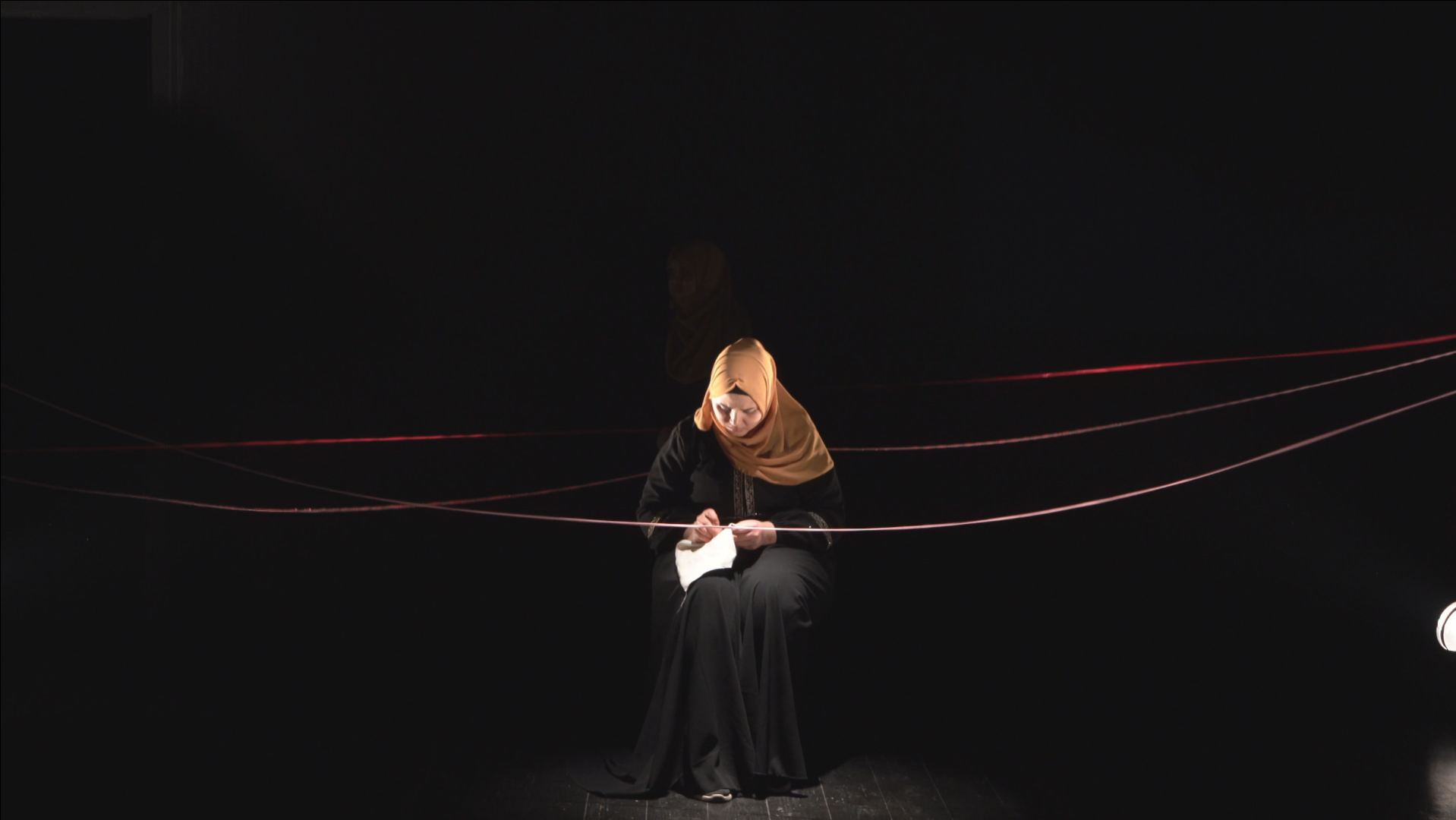
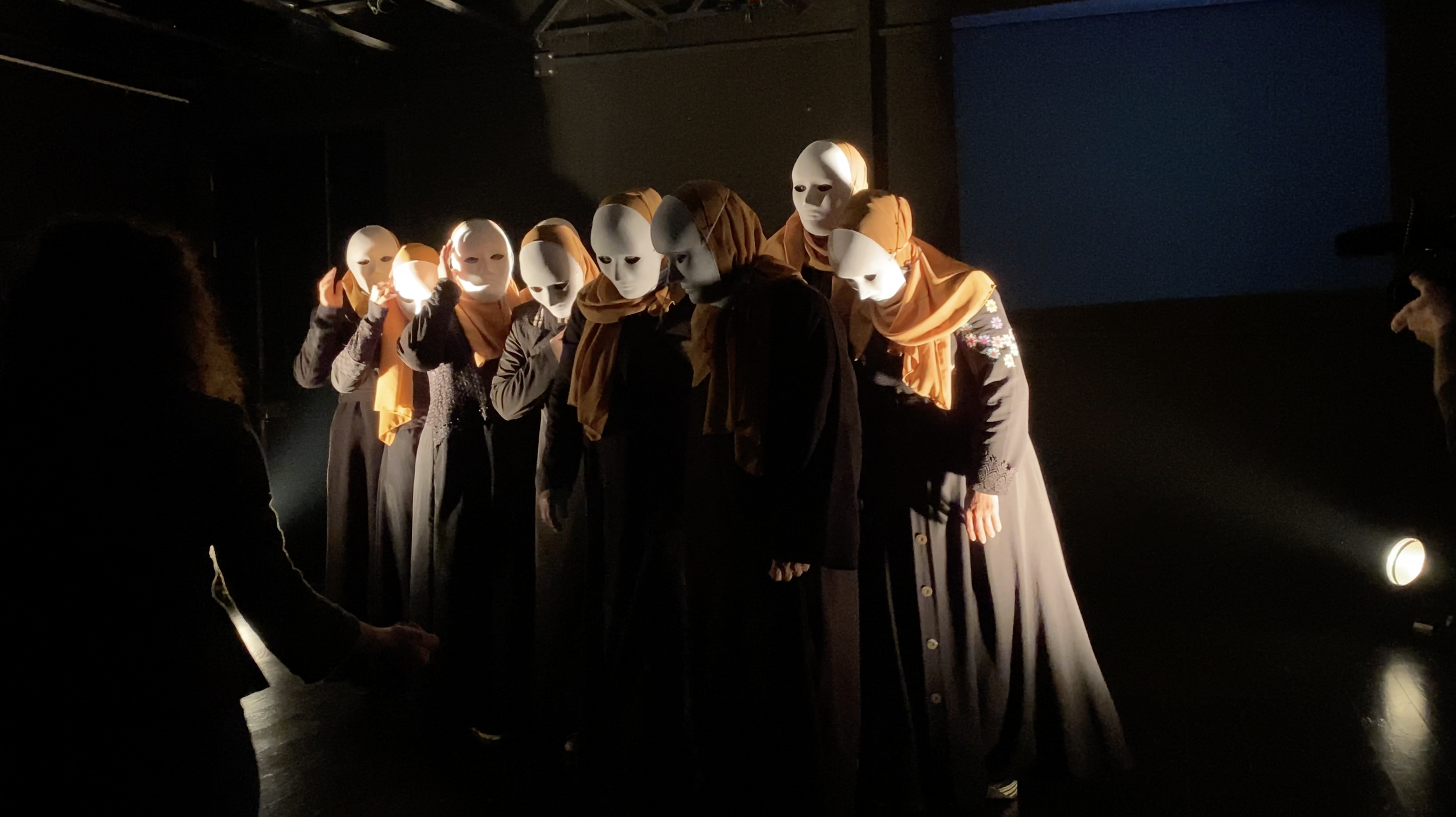
My work with refugee communities has focused particularly on the under-representation of mothers' experiences of displacement, alongside questions of agency, peacebuilding and ethical storytelling. One example is Strangers, a book developed from a year-long drama therapy project with twelve Syrian refugee mothers living in Shatila Refugee Camp, Beirut. Bringing together a co-created script and critical reflections on the process, the book explores maternal authority, displacement and the possibilities of drama therapy in contexts of trauma and PTSD. This work reflects my wider interest in how collaborative creative practices can make space for experiences and forms of expression that are often marginalised, made invisible or overlooked.
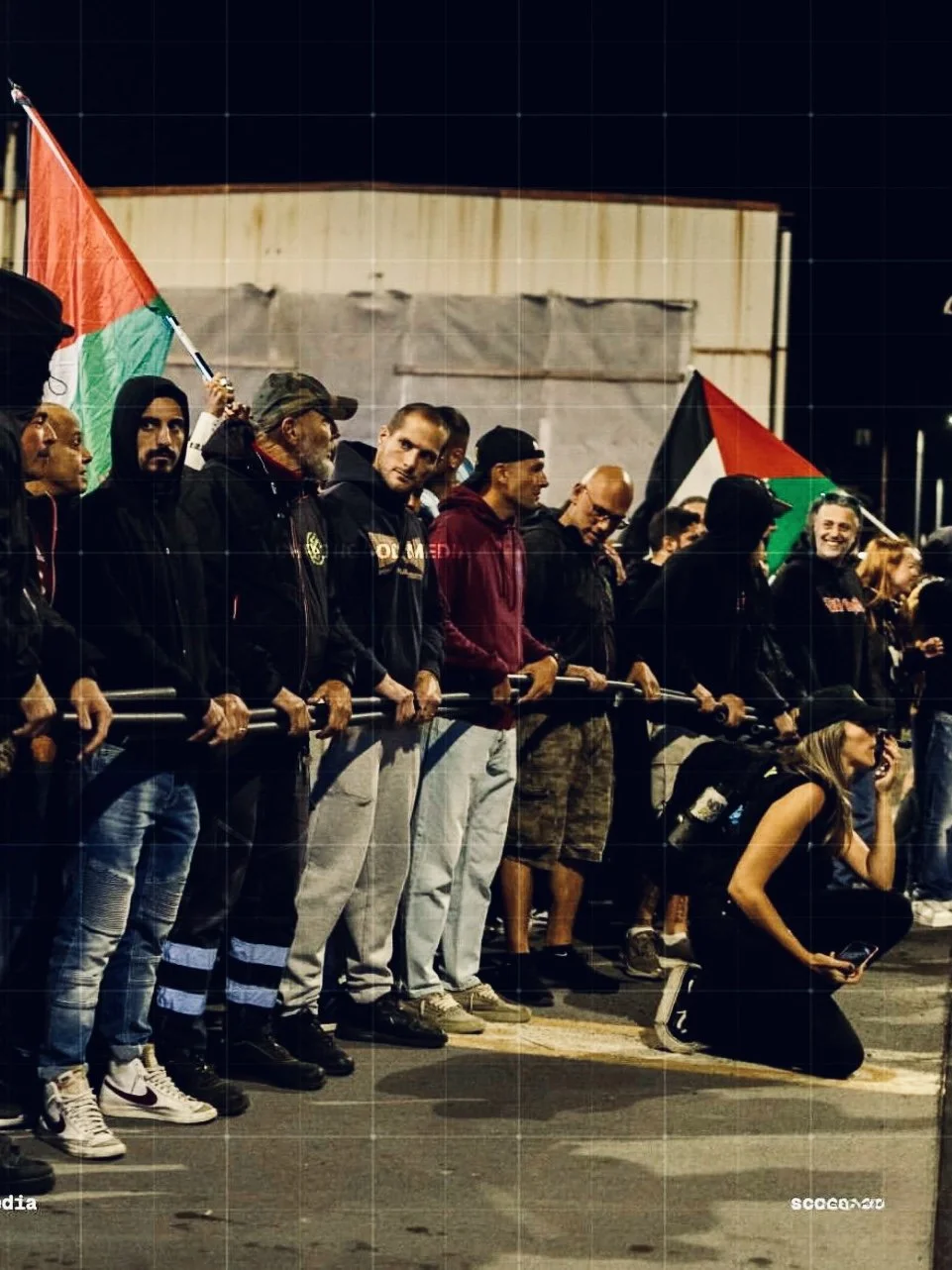
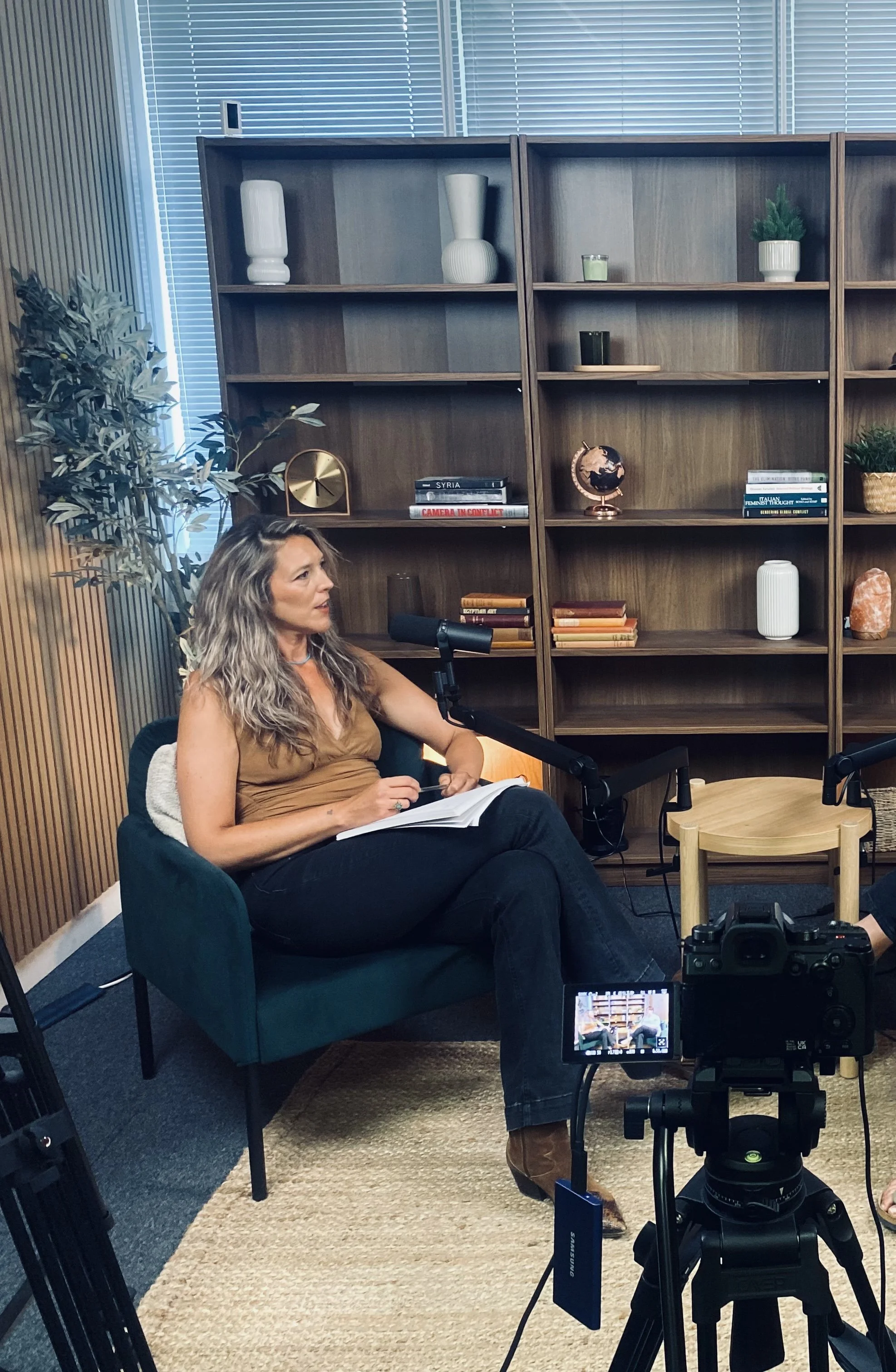
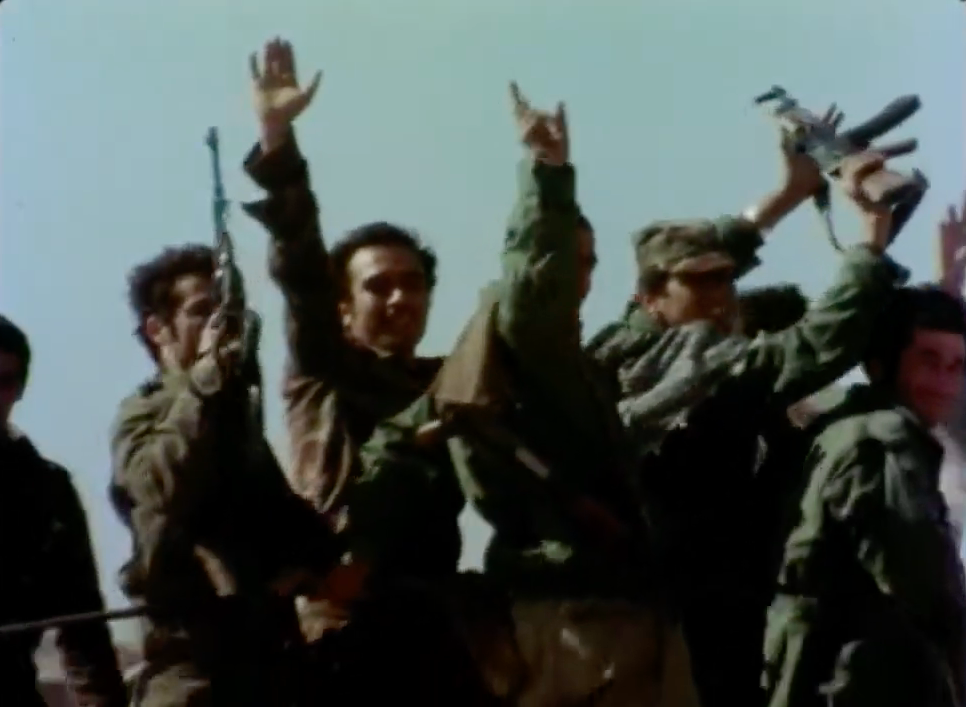
My experience as a television producer and director of independent feature documentaries, including About a War, has further shaped my research on voice and representation having witnessed and hosted hundreds of interviews across various contexts and places. My PhD at the University of Surrey examines the documentary interview and the voice, exploring how voices are co-produced through interview encounters. This research challenges the idea that the interviewer and interviewee occupy fixed positions of power, instead examining how agency and power shift and is negotiated via the unique face-to-face interaction. I develop these ideas further in a chapter for the forthcoming Oxford Handbook of Media and Vocality.
Across these different contexts, my work returns to a shared question: how do we create the conditions in which voices can emerge, be heard and be represented ethically? Increasingly, this question is leading me into new territories, including a longstanding interest in psychoanalysis and the relationship between voice, subjectivity, identity and the unconscious. My Theory of Voice continues to evolve through writing, dialogue and practice. I am exploring new ways of developing and sharing this work, including coaching and interdisciplinary engagement with psychoanalytic thought.
New! Autumn 2026
BOOK RELEASE
Strangers: Women-Led Theatre, Motherhood and Dissent. (Editor and Contributor)
CHAPTER
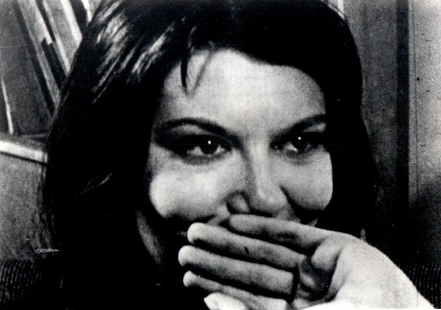
‘Non-Linguistic Voice and Documentary Interview,’ in The Oxford Handbook of Media and Vocality
PODCAST
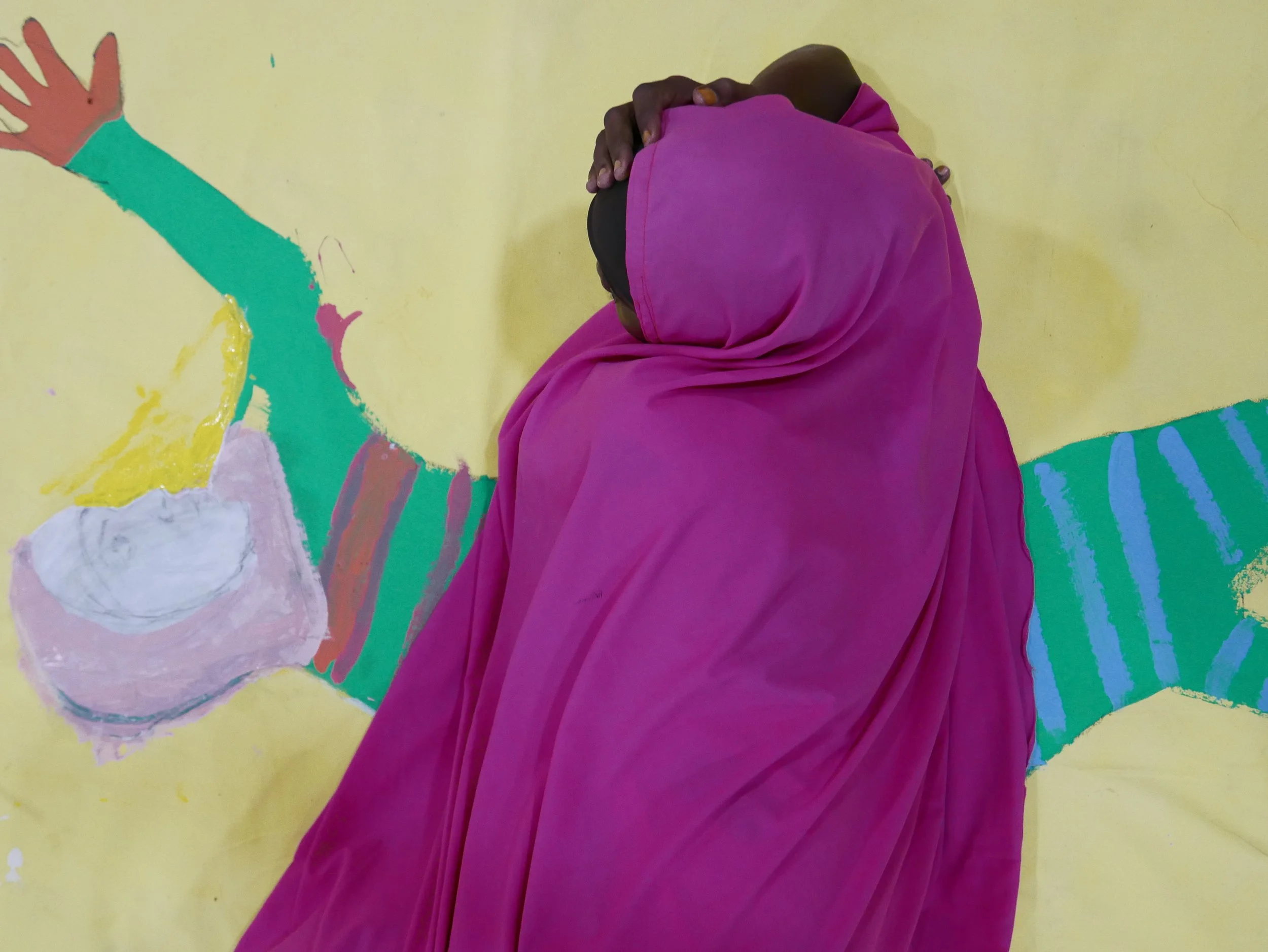
Ethical Storytelling in the Third Sector.
Interviews with leading voices shaping more inclusive approaches to ethics and storytelling.
