
Theory of Voice
Voice is both deeply personal and profoundly relational — shaped within us and between us.
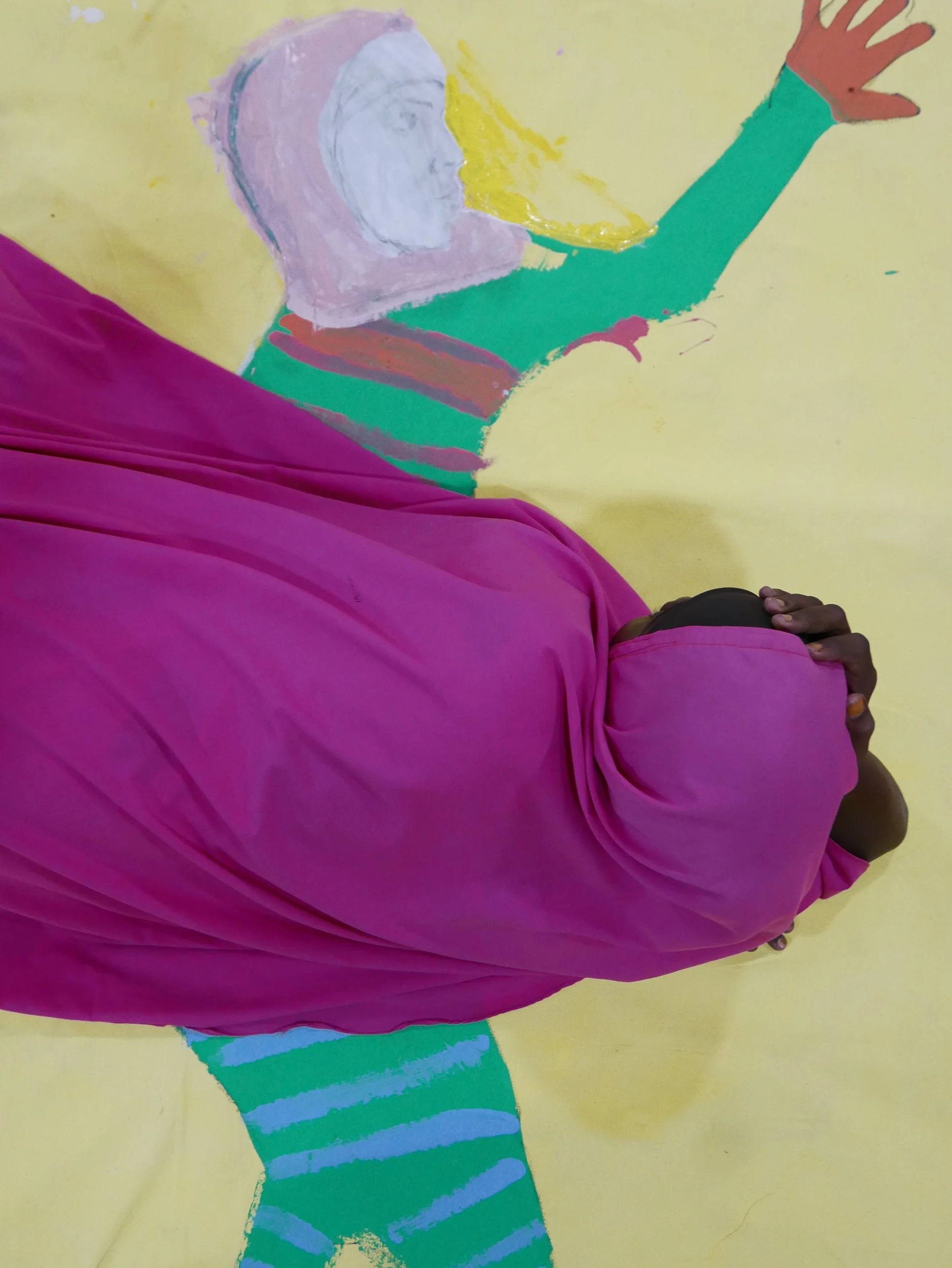
My Theory of Voice explores how voice emerges through relationships. The voice is shaped not only by what we say, but by how we speak, how others listen, and the dynamics of power that influence what can be expressed, heard and understood.
Developed through research, observing and hosting hundreds of interviews, and my own creative practice, this approach puts the encounter between people at the centre of how we understand voice.
Relational Voice
We often think of voice as something individual and unique: our opinions, our words, our right to speak. But voice is also relational. It takes shape within us and between us, influenced by our relationships, culture, society and the expectations we encounter along our life’s path.
Think of a moment when you held back from speaking, struggled to find the right words, or felt that your voice had been dismissed, diminished or erased. Perhaps a conversation fell silent, or your inner voice told you something you couldn’t bring yourself to say aloud or perhaps didn’t like.
These moments reveal something about Relational Voice. They invite us to pay attention not only to what we physically say, but to what we hold back, how others affect our sense of what can be said, and what we tell ourselves when no one else is listening. Voice is shaped both by our encounters with others, experiences and by the conversations we have within ourselves.
Why Voice Matters
How we understand voice shapes how we listen, how we tell stories, how we represent others, and how we see ourselves and our possibilities.
When we pay attention to voice, we begin to notice patterns: the way we hold our breath, repeat certain words, experience feelings in the body, or speak to ourselves internally. Listening more closely helps us understand who we are, how we relate to the world, and how our encounters with others shape what we feel able to express and do.
Voice connects our inner and outer lives: what we think, feel and need, and what we communicate, sense and receive from others. Understanding these connections can help us navigate challenges in communication, recognise how power shapes our relationships, and discover our own agency. It can also open up new possibilities — changing how we understand ourselves, how we relate to others, and what we believe is possible for ourselves.
Where the Theory Comes From
My Theory of Voice has developed over more than twenty years, through theatre, philosophy, documentary filmmaking and personal reflection.
It began in theatre, exploring Voice-in-Freedom and Adriana Cavarero’s theory on voice. Through practical experimentation with actors, I became interested in how voice is shaped by the body and breath, and how inhibition, personal experience and the freedom to experiment - all influence the sounds we make and the voices we find. This work opened up wider questions about how voice, identity and relationships take shape, informed by the thinking of Jacques Derrida, Mladen Dolar, Judith Butler and Emmanuel Levinas, alongside ideas from psychoanalysis, particularly Carl Jung and Jacques Lacan.
Over the past fifteen years, documentary filmmaking and research have brought these questions into a different setting: the face-to-face interview. Having conducted and witnessed hundreds of interviews, from the UK to conflict-affected communities in the Middle East, I became increasingly interested in how voice, agency and power move between interviewer and interviewee. This became particularly apparent in my work with former combatants and people who had committed war crimes. These encounters challenged the assumption that the interviewer holds the power and the interviewee simply responds. Instead, I began to see how control, agency and meaning are continually negotiated, challenged and reconfigured between people.
My PhD thesis, Documentary Interview and the Non-Linguistic Voice, develops this understanding. It explores how voices are co-produced through face-to-face encounters, drawing attention not only to words, but also to sounds, gestures, silences and interactions. It offers a way of understanding voice as something that emerges through the relationships with others and the world — a dimension of documentary interviewing that has often received less attention than spoken language and narrative.
Alongside this academic and creative work, my own experience of psychodynamic therapy and my engagement with psychoanalytic, spiritual and reflective writing brought these ideas closer to my everyday life. I began to consider how voice operates not only in encounters with others, but also within us: in our inner dialogue, our inhibitions, our patterns of thought and the stories we tell ourselves.
These strands are now coming together in my developing Theory of Voice. What began as an exploration of voice in theatre and documentary has become a broader way of thinking about how we express ourselves, how we are shaped by others, and how we understand our own agency and possibilities.
Relational Voice Theory
Relational Voice Theory explores how voices influence one another, and how they are internalised, resisted or reinterpreted. It considers how our needs, wants and desires can become diminished or suppressed, how this shapes our thoughts, feelings, actions and relationships, and how our voices are constrained or silenced by the contexts we inhabit, the relationships we experience and the limits we place on ourselves.
It asks not only, What is my voice? but also: How has my relationship with voice developed? Whose voices live within my own? What have I learned I can express, and what have I learned to withhold? How do I hear the voices of others? What am I really trying to say? And what might become possible if my relationship with voice were to change?
Voice is a multidimensional, embodied, psychological, expressive and relational aspect of human experience. It is shaped through our interactions with others and the world, influencing how we experience ourselves, express ourselves, relate to others and act in the world.
By exploring our relationship with voice, we can become more aware of how we have been shaped, recognise patterns that constrain or enable us, and expand our capacity to express ourselves and inhabit our lives more fully.
Four key principles
1. Voice is multidimensional.
Voice encompasses more than the physical sound of speech. It includes our embodied presence, spoken expression, inner dialogue, felt experience and the choices we make through our actions.
2. Voice is relationally shaped.
The voices, responses and expectations we encounter, along with the social and cultural environments we inhabit, influence how our own voice develops and what we feel able to express.
3. Voice shapes our sense of self and possibility.
How we speak, think, feel and act influences how we understand ourselves, how we relate to others and what we believe is possible for us.
4. Our relationship with voice can change.
Through reflection, practice and new experiences, we can become more aware of inherited patterns, question what we have learned to silence or suppress, and develop greater freedom in how we express ourselves and relate to others.
Relational Voice Theory offers a way to understand how we have been shaped, how we shape others, and how these relationships continue to influence who we become. By listening differently to ourselves and to others, we can begin to recognise what constrains us, reconnect with what has been diminished or unheard, and open up new possibilities for how we live, relate and act.
The aim is not simply to find a voice, but to develop a more conscious, expansive and active relationship with voice itself.